Published:
,
09:54 a.m.
ET
For decades, conjuring an image of a “gambler" meant an adult in a smoke-filled or dimly lit casino. I mean, take any number of scenes from 2014’s The Gambler, starring Mark Wahlberg, for example.
We are in a different era now, however, and if someone were to apply AI aging technology to Wahlberg’s face on the poster of that movie to depict the face of gambling in 2026; a much younger male, that would feel disgustingly appropriate in these times.
A groundbreaking new report from Common Sense Media, Betting on Boys: Understanding Gambling Among Adolescent Boys, backs this up. The digital world has created a frictionless environment where adolescent boys are betting on sports, betting through video games and peer networks. Social media is targeting our youth with ads even when adolescents don’t go looking for betting-related content.
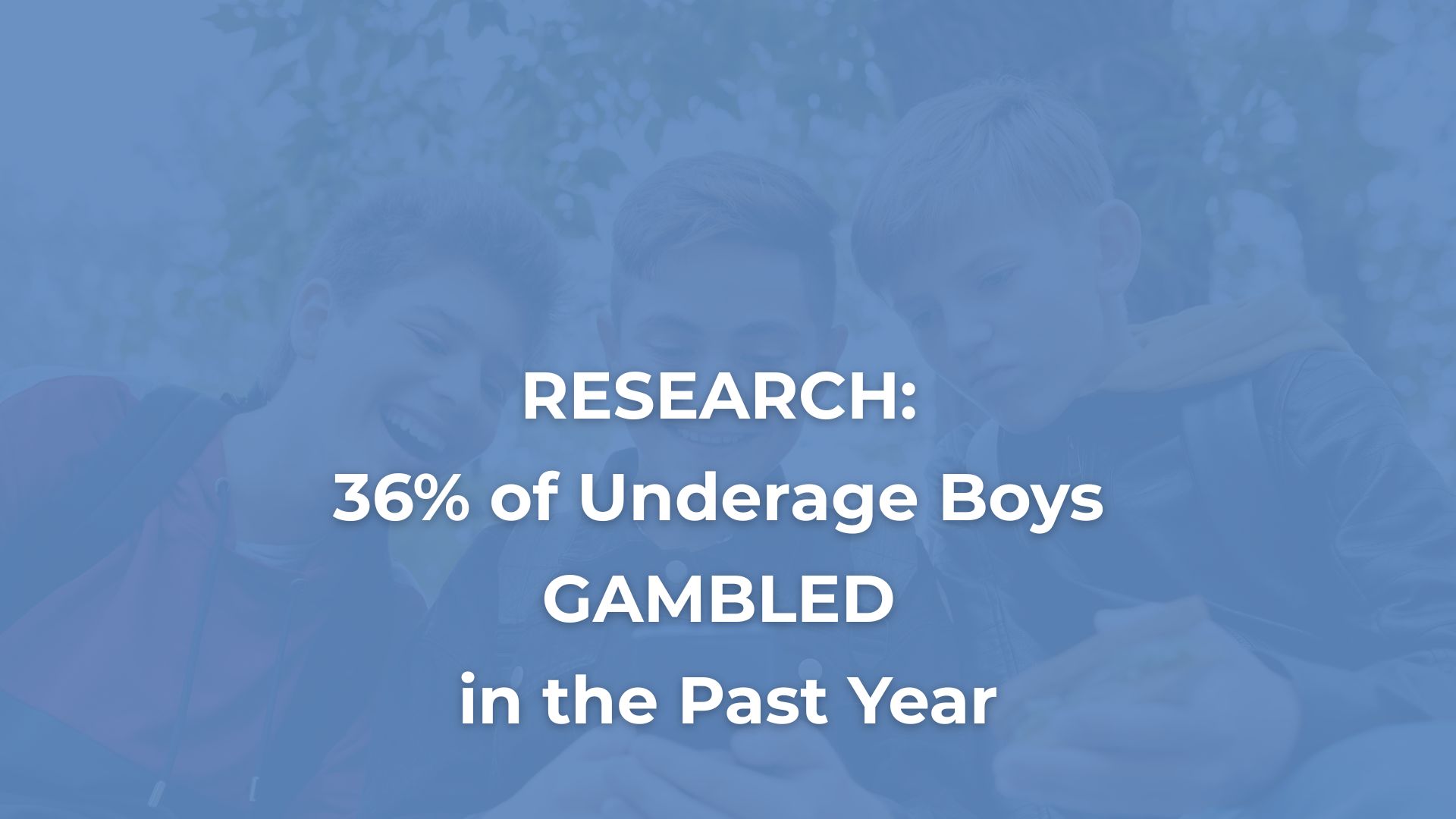
The line between gaming and gambling has blurred to the point of invisibility for many parents. With over a third of underage boys participating in some form of wagering, the clinical community is sounding the alarm on a brewing public health crisis.
Research Study: Gambling Behaviors Among Underage Males
Background
In 2025, 43% of U.S. adults said that the widespread legalization of sports betting is a "bad thing" for society, up from 34% just three years earlier. Also in 2025, YouTube tightened its rules to restrict gambling and gambling-like content from children younger than 18.
As sports betting legalization swept across the U.S., tax revenue and adult consumer protections stole the focus. Meanwhile, the "gambling-ification" of sports and media was trickling down to youth. Rates of problem gambling are estimated to be two to four times higher among adolescents than adults.
The Common Sense Media study was commissioned to quantify this trend, specifically looking at how the male experience has been reshaped by risk-based digital mechanics and peer-driven betting cultures.
Methodology, Participants and Procedure
The study captured a nationally representative sample of 1,017 boys between the ages of 11 and 17. Conducted via the SSRS Opinion Panel, the survey was available in both English and Spanish. To ensure the questions resonated with the demographic, researchers performed in-depth cognitive interviews with teens prior to the full launch, ensuring terms like "loot boxes," "gacha," and "skins" were accurately captured.
Key Results and Findings
36% of boys 11-17 report gambling in the last year. While 32% of 11-year-olds report gambling, that number jumps to nearly half (49%) by age 17. 35% of those who gamble engage in two or more different types of betting.
An overwhelming 84% of boys whose friends gamble participate themselves, compared to just 17% of those with no gambling peers.
45% of adolescent boys who gamble also see online gambling content through algorithmic exposure. 59% of boys who see gambling content say it "just started showing up" in their social media feeds. Those who watch this content spend significantly more money, averaging $72 annually compared to $33 for non-viewers.
Gamblers who lose $51+ per year are 3x more likely to use a parent’s credit or debit card without permission. Nearly half of this group admitted to spending more than they originally planned.
It’s most likely that boys encounter gambling-like systems in online gaming, with 23% of all boys participating in game-based activities that mimic gambling.
Clinical Implications
The brain's reward system is being primed for addiction at a young age. The rush of a "loot box" or a "skin" win can hijack neural pathways for dopamine-seeking behavior in an 11-year-old’s brain.
Boys may get hit with the social tax of gambling, where they feel pressure to participate in order to remain part of the friend group, and that makes it difficult for young boys to stop on their own, even when they recognize stress associated.
How are underage boys betting?
In the face of legal age requirements (usually 21+ for sportsbooks), sports betting in high schools has become mainstream. Opportunities present themselves through several creative, albeit dangerous, avenues:
Platforms like Fliff use "social" loopholes, allowing 18-year-olds to play for "coins" that can be converted to cash.
Unregulated sites (offshore sportsbooks) operating outside the U.S. rarely enforce age verification and offer zero consumer protections.
The "guy in the alley" has been replaced by modern bookies through peer-to-peer apps like Venmo and CashApp. High schoolers use "pay-per-head" sites that look like professional sportsbooks, settling their balances privately through digital transfers.
Loot boxes and "gacha" pulls in games like Genshin Impact or Counter-Strike allow boys to bet real money on randomized rewards.
Gambling addiction treatment options in the U.S.
Options for gambling addiction treatment in the U.S. include specialized counseling and support services designed to address the psychological drivers of gambling and the digital literacy gaps that lead to overspending.
Fortunately, Birches Health is available nationwide, providing specialized online gambling addiction treatment, with expertise in care for young adults. Treatment programs are accessible confidentially from the comfort of home and can be covered by insurance, making professional help more accessible than ever.
If you, your child, or someone you love is struggling with a gambling or gaming compulsion, help is available now. Reach out to Birches Health today:
Email help@bircheshealth.com

