Author

Published:
,
05:53 p.m.
ET
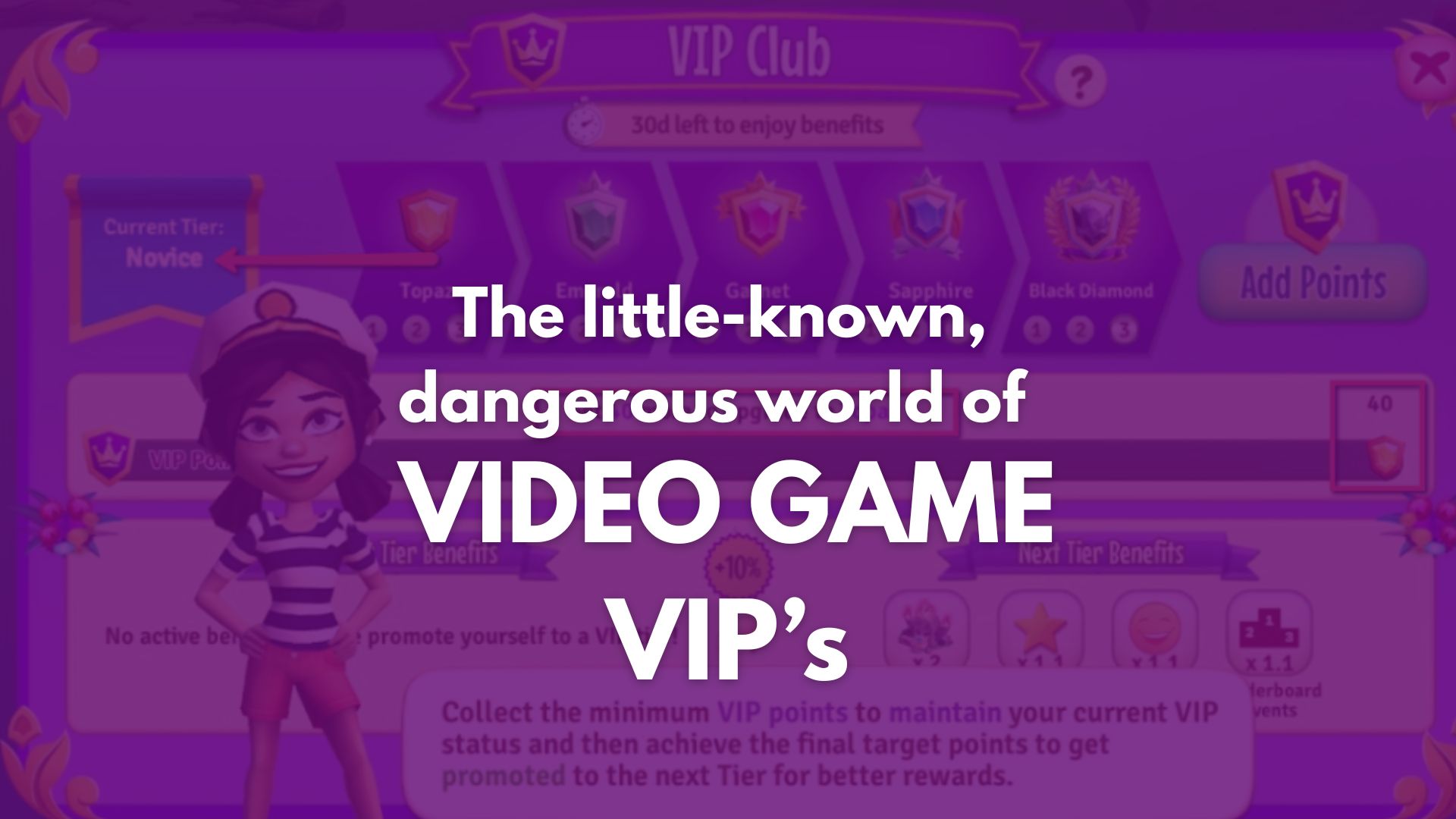
Mobile video games have long been marketed as, and believed by the public to be, a harmless form of entertainment designed to be enjoyed in spare time and break up the monotony of every-day routines. But the game has changed, and large gaming companies now know how to capitalize on societal shifts, even if it means preying on their consumer’s impulsivities and intrusive natures. Behind the bright graphics and friendly characters, casino-style tactics are now being deployed to keep players engaged and paying.
A recent New York Times investigation into secretive VIP programs at companies like Zynga reveals how dedicated account managers along with personalized perks and rewards are being used to retain “elite” gamers and maximize their spending. Let’s dive into how these VIP video game programs work and what their effectiveness means for individuals vulnerable to gaming addiction.
How VIP programs keep gamers hooked
VIP programs in video games are modeled directly after casino loyalty systems. In the same way casinos reward high rollers with free meals or show tickets, game publishers offer their most lucrative players special treatment, including entry into exclusive cash sweepstakes or invites to unique experiences, such as private concerts or luxury outings.
Global interactive entertainment leader, Zynga, which has reach in over 175 countries and regions, employs personal account managers who regularly check in with VIP players for their games, some of which are FarmVille, Words With Friends and CSR Racing. These managers track individual preferences and even personal life events, contacting as many as 125 players per day.
This approach works because mobile gaming revenue is highly concentrated. Former Zynga executives report that roughly 90% of revenue can come from less than 5% of players, also known in the industry as “whales,” which is a term borrowed from gambling. In an intensely competitive market, retaining players is critical because switching to a different game is just a tap away.
Some players describe these programs as helpful and rewarding, while others report feeling manipulated or pressured to keep up with limited-time offers and new spending requirements. One gamer estimated he had spent between $40,000 and $50,000 on mobile games over several years, describing the experience as “an opium den in your hand.”
The psychology behind VIP loyalty systems
In addition to rewarding spending, VIP programs leverage what some see as a full-on psychological assault. Personalized attention creates emotional attachment, while sweepstakes and perks add unpredictability that fosters deeper engagement. Continuous content updates and seasonal events create a sense of purpose and obligation, making it harder to step away without feeling like progress or social connections will be lost.
These systems also mirror “gamblification,” where gaming adopts features traditionally associated with gambling. Tiered rewards, variable outcomes, premium currencies and time-limited incentives encourage escalating engagement.
VIP tiers even require substantial financial commitment in some mobile games. One publisher offers levels that begin around $700 and extend beyond $14,000 in spending. At that level of scale, over time, keeping up with new content can feel like a second job.
Are there rules and regulations around VIP programs for video games?
Unlike traditional gambling, video game VIP programs operate in a largely unregulated space. Casinos are subject to age restrictions and responsible gambling requirements, but most video games are not.
Many VIP systems are invitation-only and not publicly advertised. The argument has been raised that these programs intentionally target players who are deemed likely to overspend. Companies counter that VIP programs help fund game development and customer support.
As gaming and gambling continue to become more intertwined, regulators around the world are beginning to look into in-game currencies and monetization practices. VIP programs, however, remain mostly untouched by regulation.
Can video games be addictive? Can video game addiction be diagnosed?
Yes. Gaming addiction is clinically recognized as a real behavioral health condition. The World Health Organization includes Gaming Disorder in the ICD-11, defining it as a pattern of gaming behavior characterized by impaired control and continued play despite negative consequences.
In the United States, the DSM-5 lists Internet Gaming Disorder (IGD) as a condition requiring further research, with diagnostic criteria closely modeled after substance use and gambling disorders. Warning signs include loss of control, tolerance, withdrawal symptoms, deception, neglect of responsibilities and continued gaming despite harm.
Between 1.7% and 10% of people may exhibit problematic gaming behaviors, with young adults representing the demographic most at risk. VIP programs can intensify these risks.
Treatment for video gaming addiction
Birches Health understands gaming addiction is about how emotional regulation and behavioral patterns interact over time. Treatment focuses on addressing both the psychological drivers of compulsive gaming and the real-world consequences it creates.
Care typically includes individual therapy with licensed clinicians trained in behavioral addictions, helping individuals identify triggers and rebuild balance. Clinician-led online group therapy is also offered, providing structured support from others facing similar challenges.
If you or someone you love is struggling with video gaming addiction, help is available now.
Call 833-483-3838
Email help@bircheshealth.com
