Author
Published:
,
08:19 p.m.
ET
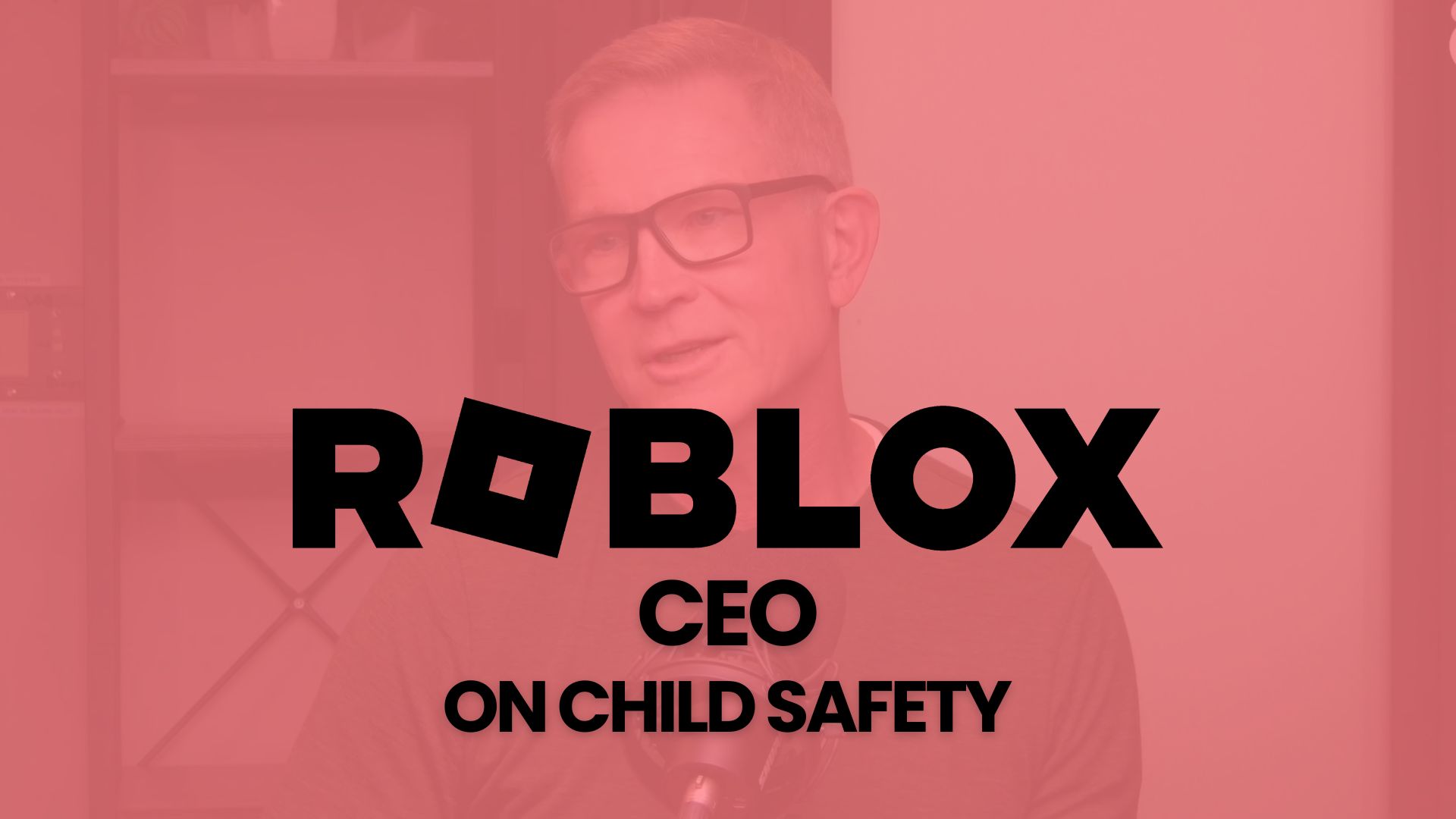
Created in 2006, Roblox has grown into one of the world’s largest immersive gaming ecosystems, with more than 380 million monthly active users. Kids as young as five years old can join, socialize with peers, build virtual experiences and spend real money in digital economies. Roughly 42% of Roblox players are under age 13, which places unique responsibility on the platform’s leadership as it influences online childhood norms and daily behaviors.
As Roblox expands, CEO David Baszucki is under increasing pressure to address intensifying concerns around child safety, addiction-forming design and the emergence of gambling-like systems within kids’ virtual environments. His recent appearance on the Hard Fork podcast (which was tense at times, to say the least) resurfaced long-standing questions around AI age-verification and the possibility of “prediction market” mechanics inside Roblox.
This article breaks down those issues, highlights ongoing risks, including potential to introduce
“prediction markets” to the platform, and outlines how parents can protect children from compulsive gameplay, unsafe interactions and hidden gambling-adjacent features. It also explains how specialized treatment programs can support families when gaming begins to interfere with wellbeing, functioning, and daily routines.
Child safety concerns addressed by Roblox head Baszucki
Roblox’s scale is staggering: 11 billion hours of playtime each month, and individual games reaching 20-25 million concurrent users. But such scale comes with a corresponding rise in harm exposure. Multiple states have sued the company for failing to protect children from grooming and exploitation, and parents have raised concerns about how easily adults can contact minors.
In response, Roblox is rolling out facial age-estimation technology, a requirement for users who want to chat on the platform. As described on the podcast, the model analyzes a submitted facial image to estimate age, not to store biometric data, and it adjusts communication permissions accordingly. This joins a growing list of safeguards: text filtering, ID verification checks, behavior-based modeling, and strict communication gating.
Roblox publicly acknowledges that bad actors still attempt to use coded language, stealthy grooming strategies, or off-platform migration to reach minors. The goal of the enhanced age-gating system is to reduce those entry points and make it substantially harder for adults to misrepresent their identity.
Even so, families are left asking a reasonable question: Are any of these tools strong enough to meaningfully reduce the risk of interacting with a predator on a platform this large?
Prediction Markets integrated within Roblox in the future?
One of the most surprising, and polarizing, ideas Baszucki floated was the possibility of “prediction markets” inside Roblox, where users could wager virtual tokens on outcomes of in-game events. He framed the idea as a legally compliant, non-monetary, educational simulation. For example, a “Dress to Impress Predictor” where outcomes reflect how prediction markets aggregate information, without giving out Robux or real prizes.
Even presented this way, the suggestion triggered immediate backlash. Concerns that “educational betting” inside a children’s platform could normalize gambling behavior at a time when Roblox already faces lawsuits over exposure to unsafe content, monetization pressure and third-party Robux gambling sites targeting minors.
Regardless of intent, does any prediction-based model risk teaching children the mechanics and excitement of gambling before they have the maturity to understand its consequences?
Is Roblox already too addictive? Dangerous for children?
Roblox’s popularity surged during the pandemic, and for many preteens it remains the primary online social space. But with daily log-in streaks, reward loops, push notifications and an endless catalog of experiences, parents frequently ask if Roblox is becoming too addictive.
The platform’s design encourages long play sessions and constant engagement, indicating patterns that overlap with behavioral addiction. Parents commonly report battles around screen time, irritability when offline and secretive late-night gaming. If your child plays compulsively, explore broader strategies to stop video game addiction, including how to set consistent limits, reduce triggers, and rebuild healthy offline routines.
Gambling-like mechanics, features in Roblox games
Roblox does not need formal prediction markets to expose children to gambling-style systems. Many popular games already incorporate randomized reward mechanics: lootbox-like items, spin-to-win wheels or chance-based purchases. In recent child-focused research studies, some kids described these features as “literally just child gambling,” while others called them “tricks,” “cash grabs,” or “scams.”
Titles like Adopt Me!, Pet Simulator 99 and Blox Fruits allow players to buy items where outcomes depend on chance. The presence of real money converting to Robux, then to in-game gems or diamonds can overwhelm children trying to understand value conversions.
Despite platform-wide age restrictions on certain paid random items, researchers found examples of loot-box purchases occurring on accounts labeled as under age 15.
As Roblox expands its systems, the platform faces the responsibility to protect its youngest users who do not yet possess the cognitive skills to evaluate odds, long-term loss or the financial implications.
Roblox Addiction and Compulsive Video Gaming Treatment
On Roblox, many children are able to socialize safely, learn coding and build creative experiences. But for some, Roblox can bring hours of play each day, meltdowns when asked to log off, declining grades, lost interest in offline activities and mounting in-game purchases.
Birches Health offers video gaming addiction treatment tailored to compulsive Roblox play, including therapy, behavioral planning and family-based interventions that support healthier screen use. Early treatment can address patterns before they escalate into long-term issues.
If you're concerned about your child’s Roblox use, professional support can make a meaningful difference.
Book an appointment with Birches Health
Call 833-483-3838
Email help@bircheshealth.com
