Video Game Addiction Treatment: Private, Virtual Care Available in All 50 States
Video Game Addiction Treatment: Private, Virtual Care Available in All 50 States
If video gaming has started to feel out of your control, you're not alone — and you don't have to figure it out yourself. Specialized care with a licensed therapist is available online from the privacy of your home and covered by most major insurance providers.
If video gaming has started to feel out of your control, you're not alone — and you don't have to figure it out yourself. Specialized care with a licensed therapist is available online from the privacy of your home and covered by most major insurance providers.
Confidential & Secure
Convenient Online Care
$0 with many insurances
Game Addiction Specialists
Many clients pay $0-25 copay
Many clients pay $0-25 copay


Confidential
& Secure
Convenient Online Care
$0 with many Plans
Game Addiction
Specialists

What Is Video Game Addiction? Is It a Real Diagnosis?
Gaming disorder is a real and treatable condition, not a character flaw or something you need to live with forever. Birches’ therapists are specially trained to support individuals struggling with behavioral and process addictions, such as compulsive video gaming. The entire process is confidential, with care delivered over a HIPAA-compliant video platform available across the United States. While the symptoms can feel overwhelming, recovery is possible with the right specialized treatment.
Gaming disorder is a clinically recognized condition by the World Health Organization in the ICD-11 as of 2019. It is explained as a pattern of gaming behavior (“digital gaming” or “video gaming”) characterized by:
Impaired control over gaming
Increasing priority given to gaming over other activities to the extent that it takes precedence over other interests and daily activities
Continuation or escalation of gaming despite the occurrence of negative consequences.
Separately, the American Psychiatric Association’s DSM-5 lists Internet Gaming Disorder as needing more research before it becomes a full diagnosis. Therefore, it's not yet an official disorder in the DSM-5 like depression, anxiety and gambling disorder are.
Ultimately, video gaming addiction can be diagnosed and treated in the United States under the ICD-11’s definition of gaming disorder.
Schedule an Appointment with a Specialist
What Is Video Game Addiction? Is It a Real Diagnosis?
Gaming disorder is a real and treatable condition, not a character flaw or something you need to live with forever. Birches’ therapists are specially trained to support individuals struggling with behavioral and process addictions, such as compulsive video gaming. The entire process is confidential, with care delivered over a HIPAA-compliant video platform available across the United States. While the symptoms can feel overwhelming, recovery is possible with the right specialized treatment.
Gaming disorder is a clinically recognized condition by the World Health Organization in the ICD-11 as of 2019. It is explained as a pattern of gaming behavior (“digital gaming” or “video gaming”) characterized by:
Impaired control over gaming
Increasing priority given to gaming over other activities to the extent that it takes precedence over other interests and daily activities
Continuation or escalation of gaming despite the occurrence of negative consequences.
Separately, the American Psychiatric Association’s DSM-5 lists Internet Gaming Disorder as needing more research before it becomes a full diagnosis. Therefore, it's not yet an official disorder in the DSM-5 like depression, anxiety and gambling disorder are.
Ultimately, video gaming addiction can be diagnosed and treated in the United States under the ICD-11’s definition of gaming disorder.
Schedule an Appointment with a Specialist
What Is Video Game Addiction? Is It a Real Diagnosis?
Gaming disorder is a real and treatable condition, not a character flaw or something you need to live with forever. Birches’ therapists are specially trained to support individuals struggling with behavioral and process addictions, such as compulsive video gaming. The entire process is confidential, with care delivered over a HIPAA-compliant video platform available across the United States. While the symptoms can feel overwhelming, recovery is possible with the right specialized treatment.
Gaming disorder is a clinically recognized condition by the World Health Organization in the ICD-11 as of 2019. It is explained as a pattern of gaming behavior (“digital gaming” or “video gaming”) characterized by:
Impaired control over gaming
Increasing priority given to gaming over other activities to the extent that it takes precedence over other interests and daily activities
Continuation or escalation of gaming despite the occurrence of negative consequences.
Separately, the American Psychiatric Association’s DSM-5 lists Internet Gaming Disorder as needing more research before it becomes a full diagnosis. Therefore, it's not yet an official disorder in the DSM-5 like depression, anxiety and gambling disorder are.
Ultimately, video gaming addiction can be diagnosed and treated in the United States under the ICD-11’s definition of gaming disorder.
Schedule an Appointment with a Specialist
Common Signs of Video Game Addiction
If you or a loved one are experiencing multiple of the following behaviors, it may be worth exploring video game addiction therapy:
PREOCCUPATION
Thinking constantly about the next gaming session while offline.
Withdrawal Symptoms
Irritable, anxious or low when not playing.
Built-up Tolerance
Needing longer sessions or higher stakes to reach the same excitement.
Loss of Interest in Other Hobbies
Previously enjoyed activities are neglected for gaming.
Unsuccessful Attempts to Quit
Return to gaming despite honest attempts to stop.
Using It as an Escape
Turning to games to avoid negative emotions or difficult parts of life.
Deception
Hiding or lying to others about your time or money spent on video gaming.
Negative Impacts on Life
Gaming is affecting relationships, job, school or other parts of life.
Still wondering if your own video gaming habits are a cause of concern?
Common Signs of Video Game Addiction
If you or a loved one are experiencing multiple of the following behaviors, it may be worth exploring video game addiction therapy:
PREOCCUPATION
Thinking constantly about the next gaming session while offline.
Withdrawal Symptoms
Irritable, anxious or low when not playing.
Built-up Tolerance
Needing longer sessions or higher stakes to reach the same excitement.
Loss of Interest in Other Hobbies
Previously enjoyed activities are neglected for gaming.
Unsuccessful Attempts to Quit
Return to gaming despite honest attempts to stop.
Using It as an Escape
Turning to games to avoid negative emotions or difficult parts of life.
Deception
Hiding or lying to others about your time or money spent on video gaming.
Negative Impacts on Life
Gaming is affecting relationships, job, school or other parts of life.
Still wondering if your own video gaming habits are a cause of concern?
Common Signs of Video Game Addiction
If you or a loved one are experiencing multiple of the following behaviors, it may be worth exploring video game addiction therapy:
PREOCCUPATION
Thinking constantly about the next gaming session while offline.
Withdrawal Symptoms
Irritable, anxious or low when not playing.
Built-up Tolerance
Needing longer sessions or higher stakes to reach the same excitement.
Loss of Interest in Other Hobbies
Previously enjoyed activities are neglected for gaming.
Unsuccessful Attempts to Quit
The thrill of trading being used to cope with anxiety or depression.
Using It as an Escape
The thrill of trading being used to cope with anxiety or depression.
Deception
Hiding or lying to others about your time or money spent on video gaming.
Negative Impacts on Life
Gaming is affecting relationships, job, school or other parts of life.
Still wondering if your own video gaming habits are a cause of concern?
Why Choose Birches Health for Video Game Addiction Treatment
Most general therapists haven't been trained specifically on treating behavioral addictions like gaming disorder. We built our model around them.

Treatment is
fully virtual
&
confidential.
Private and convenient
Every session is virtual — no waiting room, no commute, no explaining where you're going.
Specialized, not generic
Our therapists focus specifically on behavioral and process addictions, so they understand the specific hooks that make gaming hard to step away from.
Insurance covered
Most major insurance plans are accepted. Our team verifies your benefits and provides a transparent cost estimate beforehand to avoid any surprises.
Available nationwide
Licensed in all 50 states, with appointments usually available in 24-48 hours.
Treatment is
fully virtual
&
confidential.

Why Choose Birches Health for Video Game Addiction Treatment
Most general therapists haven't been trained specifically on treating behavioral addictions like gaming disorder. We built our model around them.
Treatment is
fully virtual
&
confidential.
Private and convenient
Every session is virtual — no waiting room, no commute, no explaining where you're going.
Specialized, not generic
Our therapists focus specifically on behavioral and process addictions, so they understand the specific hooks that make gaming hard to step away from.
Insurance covered
Most major insurance plans are accepted. Our team verifies your benefits and provides a transparent cost estimate beforehand to avoid any surprises.
Available nationwide
Licensed in all 50 states, with appointments usually available in 24-48 hours.
Treatment is
fully virtual
&
confidential.
Why Choose Birches Health for Video Game Addiction Treatment
Most general therapists haven't been trained specifically on treating behavioral addictions like gaming disorder. We built our model around them.
Treatment is
fully virtual
&
confidential.
Private and convenient
Every session is virtual — no waiting room, no commute, no explaining where you're going.
Specialized, not generic
Our therapists focus specifically on behavioral and process addictions, so they understand the specific hooks that make gaming hard to step away from.
Insurance covered
Most major insurance plans are accepted. Our team verifies your benefits and provides a transparent cost estimate beforehand to avoid any surprises.
Available nationwide
Licensed in all 50 states, with appointments usually available in 24-48 hours.
Treatment is
fully virtual
&
confidential.

Why Video Gaming Can Be Hard to Stop Without Support
This isn't just about willpower. These games are designed to hold your attention.
Leveling up, chasing rare loot boxes and close competitive wins all activate the brain's reward system. Brain-imaging research on gaming disorder has found changes in dopamine signaling similar to patterns seen in other behavioral addictions (though researchers note this shows an association, not evidence that gaming causes the change Frontiers in Psychiatry, 2017). Over time, some people need more intense or longer play to feel the same rush.
There's no specific number of hours per day or week that defines addiction. Research here is mixed, and some studies find that time spent gaming does not on its own predict who develops a problem (Comprehensive Psychiatry, 2024). What matters more is impact: is video gaming affecting your sleep, relationships, work or school? Have you tried to cut back and struggled to do so? If these sound familiar, it is worth having a conversation with a Birches specialist.
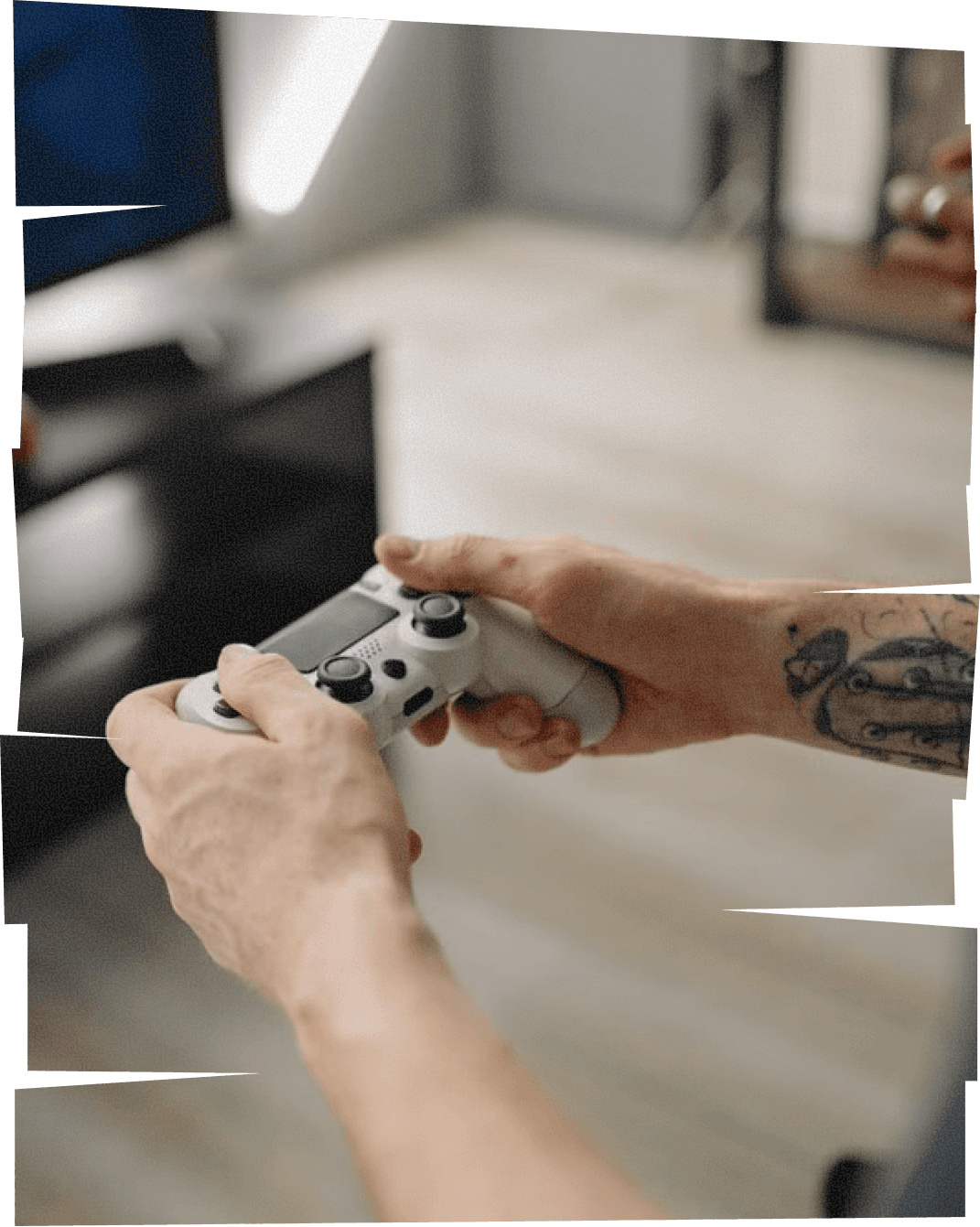
Want to speak with someone who understands this?
Why Video Gaming Can Be Hard to Stop Without Support
This isn't just about willpower. These games are designed to hold your attention.
Leveling up, chasing rare loot boxes and close competitive wins all activate the brain's reward system. Brain-imaging research on gaming disorder has found changes in dopamine signaling similar to patterns seen in other behavioral addictions (though researchers note this shows an association, not evidence that gaming causes the change Frontiers in Psychiatry, 2017). Over time, some people need more intense or longer play to feel the same rush.
There's no specific number of hours per day or week that defines addiction. Research here is mixed, and some studies find that time spent gaming does not on its own predict who develops a problem (Comprehensive Psychiatry, 2024). What matters more is impact: is video gaming affecting your sleep, relationships, work or school? Have you tried to cut back and struggled to do so? If these sound familiar, it is worth having a conversation with a Birches specialist.
Want to speak with someone who understands this?
Why Video Gaming Can Be Hard to Stop Without Support
This isn't just about willpower. These games are designed to hold your attention.
Leveling up, chasing rare loot boxes and close competitive wins all activate the brain's reward system. Brain-imaging research on gaming disorder has found changes in dopamine signaling similar to patterns seen in other behavioral addictions (though researchers note this shows an association, not evidence that gaming causes the change Frontiers in Psychiatry, 2017). Over time, some people need more intense or longer play to feel the same rush.
There's no specific number of hours per day or week that defines addiction. Research here is mixed, and some studies find that time spent gaming does not on its own predict who develops a problem (Comprehensive Psychiatry, 2024). What matters more is impact: is video gaming affecting your sleep, relationships, work or school? Have you tried to cut back and struggled to do so? If these sound familiar, it is worth having a conversation with a Birches specialist.
Want to speak with someone who understands this?
Video Game Addiction Therapy at Birches Health
Understanding that gaming is a primary social outlet and a source of identity for many individuals, our Master’s-level clinicians treat the addictive patterns that can form around video game activity.
Our telehealth model of video game addiction recovery can be particularly effective. Because many gamers are already comfortable in digital spaces, HIPAA-compliant video sessions feel natural and lower the barrier to entry. Convenience creates higher session frequency, which has been shown to lead to better outcomes.

Therapy Approaches Used at Birches Health
Cognitive Behavioral Therapy (CBT)
The most-studied approach for gaming disorder. A 2019 meta-analysis of CBT for internet gaming disorder found large improvements in gaming-related symptoms and in co-occurring depression, with moderate improvement in anxiety (Stevens et al., 2019).
Motivational Interviewing (MI)
If you're only here because someone else pushed you to come, MI helps you find your own reasons for change and provide a deeper understanding of “why” you’ve been engaging in these behaviors.
Individual Therapy
One-on-one sessions look at your whole life, not just your gaming.
Group Therapy
Connecting with others working through the same thing can ease the isolation gaming sometimes creates.
Co-occurring Support
Our therapists can also treat other challenges like ADHD, anxiety or depression that may show up alongside gaming disorder.
Relapse Prevention Planning
We focus on setting realistic boundaries, not pretending screens don't exist or that you need to stay off them completely.
The Process: Getting Started with Your Recovery
Phase 1
Sign Up for Care
Share some important details, including the support you’re seeking and your insurance information. We’ll then verify your benefits coverage and provide a transparent cost estimate for each session.
Phase 2
Comprehensive Clinical Evaluation
In your first appointment, your therapist works with you to build a full picture of your video gaming and mental health to create a recommended care plan.
Phase 3
Ongoing Care with Real Outcomes
Attend regular video sessions with actionable strategies and progress tracking. Most clients see improvement within the first few weeks.
Video Game Addiction Therapy at Birches Health
Understanding that gaming is a primary social outlet and a source of identity for many individuals, our Master’s-level clinicians treat the addictive patterns that can form around video game activity.
Our telehealth model of video game addiction recovery can be particularly effective. Because many gamers are already comfortable in digital spaces, HIPAA-compliant video sessions feel natural and lower the barrier to entry. Convenience creates higher session frequency, which has been shown to lead to better outcomes.
Therapy Approaches Used at Birches Health
Cognitive Behavioral Therapy (CBT)
The most-studied approach for gaming disorder. A 2019 meta-analysis of CBT for internet gaming disorder found large improvements in gaming-related symptoms and in co-occurring depression, with moderate improvement in anxiety (Stevens et al., 2019).
Motivational Interviewing (MI)
If you're only here because someone else pushed you to come, MI helps you find your own reasons for change and provide a deeper understanding of “why” you’ve been engaging in these behaviors.
Individual Therapy
One-on-one sessions look at your whole life, not just your gaming.
Group Therapy
Connecting with others working through the same thing can ease the isolation gaming sometimes creates.
Co-occurring Support
Our therapists can also treat other challenges like ADHD, anxiety or depression that may show up alongside gaming disorder.
Relapse Prevention Planning
We focus on setting realistic boundaries, not pretending screens don't exist or that you need to stay off them completely.
The Process: Getting Started with Your Recovery
Phase 1
Sign Up for Care
Share some important details, including the support you’re seeking and your insurance information. We’ll then verify your benefits coverage and provide a transparent cost estimate for each session.
Phase 2
Comprehensive Clinical Evaluation
In your first appointment, your therapist works with you to build a full picture of your video gaming and mental health to create a recommended care plan.
Phase 3
Ongoing Care with Real Outcomes
Attend regular video sessions with actionable strategies and progress tracking. Most clients see improvement within the first few weeks.
What Birches Health Clients Say
“
My therapist seems to he very in tune with what I'm going through and is able to relate to many of the issues that I'm dealing with.
Ryan J.
“
Started therapy with Birches recently - Wow, so eye opening & helpful. Highly recommend it. My counselor is amazing. Insurance covers majority of each visit.
Carla R.
“
5 stars... [but] it would be a 10. My counselor has been a life changer for me.
José Q.
What Birches Health Clients Say
“
My therapist seems to he very in tune with what I'm going through and is able to relate to many of the issues that I'm dealing with.
Ryan J.
“
Started therapy with Birches recently - Wow, so eye opening & helpful. Highly recommend it. My counselor is amazing. Insurance covers majority of each visit.
Carla R.
“
5 stars... [but] it would be a 10. My counselor has been a life changer for me.
José Q.
What Birches Health Clients Say
“
My therapist seems to he very in tune with what I'm going through and is able to relate to many of the issues that I'm dealing with.
Ryan J.
“
Started therapy with Birches recently - Wow, so eye opening & helpful. Highly recommend it. My counselor is amazing. Insurance covers majority of each visit.
Carla R.
“
5 stars... [but] it would be a 10. My counselor has been a life changer for me.
José Q.
Frequently Asked Questions about Video Game Addiction Treatment
Is gaming disorder a real mental health condition?
Yes. The World Health Organization formally added Gaming Disorder to the ICD-11 in 2019, making it an official diagnosis internationally.
How many hours of video gaming is considered an addiction?
There's no hours-based cutoff that applies for everyone. Research on gaming time is mixed. What matters more clinically is its impact on other parts of life, and whether attempts to cut back have failed. If that sounds familiar, our free, confidential self-assessment may be a good place to start.
What does video game addiction therapy involve?
Birches Health’s recovery program involves private video sessions with a therapist trained in behavioral addictions. We often use Cognitive Behavioral Therapy (CBT), along with (optional) group support and treatment for related conditions like anxiety or ADHD. You and your therapist decide together whether the goal is cutting gaming out entirely or building a healthier, more controlled relationship with it.
Is video game addiction treatment covered by insurance?
In many cases, yes. Birches Health is in-network with many major insurance carriers. We verify your benefits upfront so you know the cost (usually less than $25 out-of-pocket) before your first session. We also offer direct-pay options for those without insurance or whose plans don’t cover this type of care.
Seeking video gaming addiction support EARLY can help prevent more serious consequences.
Frequently Asked Questions about Video Game Addiction Treatment
Is gaming disorder a real mental health condition?
Yes. The World Health Organization formally added Gaming Disorder to the ICD-11 in 2019, making it an official diagnosis internationally.
How many hours of video gaming is considered an addiction?
There's no hours-based cutoff that applies for everyone. Research on gaming time is mixed. What matters more clinically is its impact on other parts of life, and whether attempts to cut back have failed. If that sounds familiar, our free, confidential self-assessment may be a good place to start.
What does video game addiction therapy involve?
Birches Health’s recovery program involves private video sessions with a therapist trained in behavioral addictions. We often use Cognitive Behavioral Therapy (CBT), along with (optional) group support and treatment for related conditions like anxiety or ADHD. You and your therapist decide together whether the goal is cutting gaming out entirely or building a healthier, more controlled relationship with it.
Is video game addiction treatment covered by insurance?
In many cases, yes. Birches Health is in-network with many major insurance carriers. We verify your benefits upfront so you know the cost (usually less than $25 out-of-pocket) before your first session. We also offer direct-pay options for those without insurance or whose plans don’t cover this type of care.
Seeking video gaming addiction support EARLY can help prevent more serious consequences.
Frequently Asked Questions about Video Game Addiction Treatment
Is gaming disorder a real mental health condition?
Yes. The World Health Organization formally added Gaming Disorder to the ICD-11 in 2019, making it an official diagnosis internationally.
How many hours of video gaming is considered an addiction?
There's no hours-based cutoff that applies for everyone. Research on gaming time is mixed. What matters more clinically is its impact on other parts of life, and whether attempts to cut back have failed. If that sounds familiar, our free, confidential self-assessment may be a good place to start.
What does video game addiction therapy involve?
Birches Health’s recovery program involves private video sessions with a therapist trained in behavioral addictions. We often use Cognitive Behavioral Therapy (CBT), along with (optional) group support and treatment for related conditions like anxiety or ADHD. You and your therapist decide together whether the goal is cutting gaming out entirely or building a healthier, more controlled relationship with it.
Is video game addiction treatment covered by insurance?
In many cases, yes. Birches Health is in-network with many major insurance carriers. We verify your benefits upfront so you know the cost (usually less than $25 out-of-pocket) before your first session. We also offer direct-pay options for those without insurance or whose plans don’t cover this type of care.
Seeking video gaming addiction support EARLY can help prevent more serious consequences.
Crisis & Safety
Need Immediate Help? If you or someone you know is in immediate danger, experiencing a medical emergency, having thoughts of suicide or self-harm, or experiencing a mental health or substance use crisis, call 911 for Emergency Services or call/text 988 for the Suicide & Crisis Lifeline.
Crisis & Safety
Need Immediate Help? If you or someone you know is in immediate danger, experiencing a medical emergency, having thoughts of suicide or self-harm, or experiencing a mental health or substance use crisis, call 911 for Emergency Services or call/text 988 for the Suicide & Crisis Lifeline.