Author
Published:
,
01:55 p.m.
ET
Gambling has increasingly become a public health concern across the globe. With mobile betting, online casinos and seemingly incessant advertising, betting has grown so pervasive in daily life that religious leaders are now weighing in on the consequences of it going unchecked.
In a recent Vatican address with members of the National Association of Italian Municipalities, Pope Leo XIV spoke of “listening to the least among us and the poor,” to alleviate the loneliness and suffering in our cities, and he delivered a clear warning about gambling’s damaging impact on families and communities.
His remarks echo growing concerns among public health experts and clinicians who see firsthand everyday how gambling addiction can ruin lives and families.
Pope Leo XIV cautions about gambling
Many see gambling as a harmless form of entertainment and can engage with it in a sustainable, healthy manner without any impacts on other parts of life. However, the pontiff Pope Leo XIV declared that gambling is a growing social crisis, one that “ruins many families,” in a recent address.
The pope described gambling addiction as a serious issue tied to education, mental health, cultural and spiritual poverty, plus social abandonment, citing data from Caritas Italy on its widespread impact.
In his speech, the pope emphasized that political and civic leaders have a duty to protect human dignity and foster social cohesion. He reframed gambling-related harm as part of a broader pattern of isolation, loneliness and marginalization.
By placing gambling alongside multidimensional vulnerability, Pope Leo XIV reinforced the idea that gambling addiction is not a personal failure, but a condition that grows when communities fail to recognize and respond to suffering. His call was clear: leaders must listen to those affected and prioritize long-term well-being over short-term gain.
The Church’s views of gambling historically
The Catholic Church did not always condemn low-stakes, modest gambling that did not interfere with personal and family obligations. Excessive gambling, though, has consistently been viewed as problematic.
Church teachings emphasize stewardship, responsibility and care for family. Gambling that leads to financial ruin, neglecting relationships or emotional distress conflicts with these values. Gambling products have become more aggressive and accessible, and with that, religious leaders have increasingly spoken out about the dangers of addiction and exploitation.
In modern contexts, the Church’s concerns align closely with public health points of view. Gambling addiction is recognized as a condition that can impair judgment, damage relationships and lead to a slew of mental health conditions. Pope Leo XIV’s comments focus less on condemnation and more on prevention, compassion and care.
The potential role of religion in gambling addiction treatment
For many, religion and spirituality can play a meaningful role in recovery from gambling addiction. Gamblers Anonymous, built on the 12-step model of Alcoholics Anonymous, incorporates these types of elements, encouraging participants to form a connection with a higher power. These steps may not align with everyone's beliefs, and non-religious people have at times felt that the program is not the right fit for them as a result. For example, one of the 12 steps is to “Humbly ask God (of our understanding) to remove our shortcomings.”
For many individuals, this framework can provide a higher level of motivation and spiritual guidance during recovery. But others may prefer a more clinical, evidence-based approach that does not involve religious components. Birches Health believes that effective gambling addiction treatment should always be tailored to the individual’s needs, preferences and personal values. Care plans are therefore crafted to meet each client’s unique situation.
Gambling Addiction treatment options in the U.S.
Gambling addiction treatment has expanded significantly through the adoption and wide acceptance of virtual care methods. Telehealth can help eliminate traditional barriers to specialized care, such as limited access to clinicians, high costs and logistical challenges.
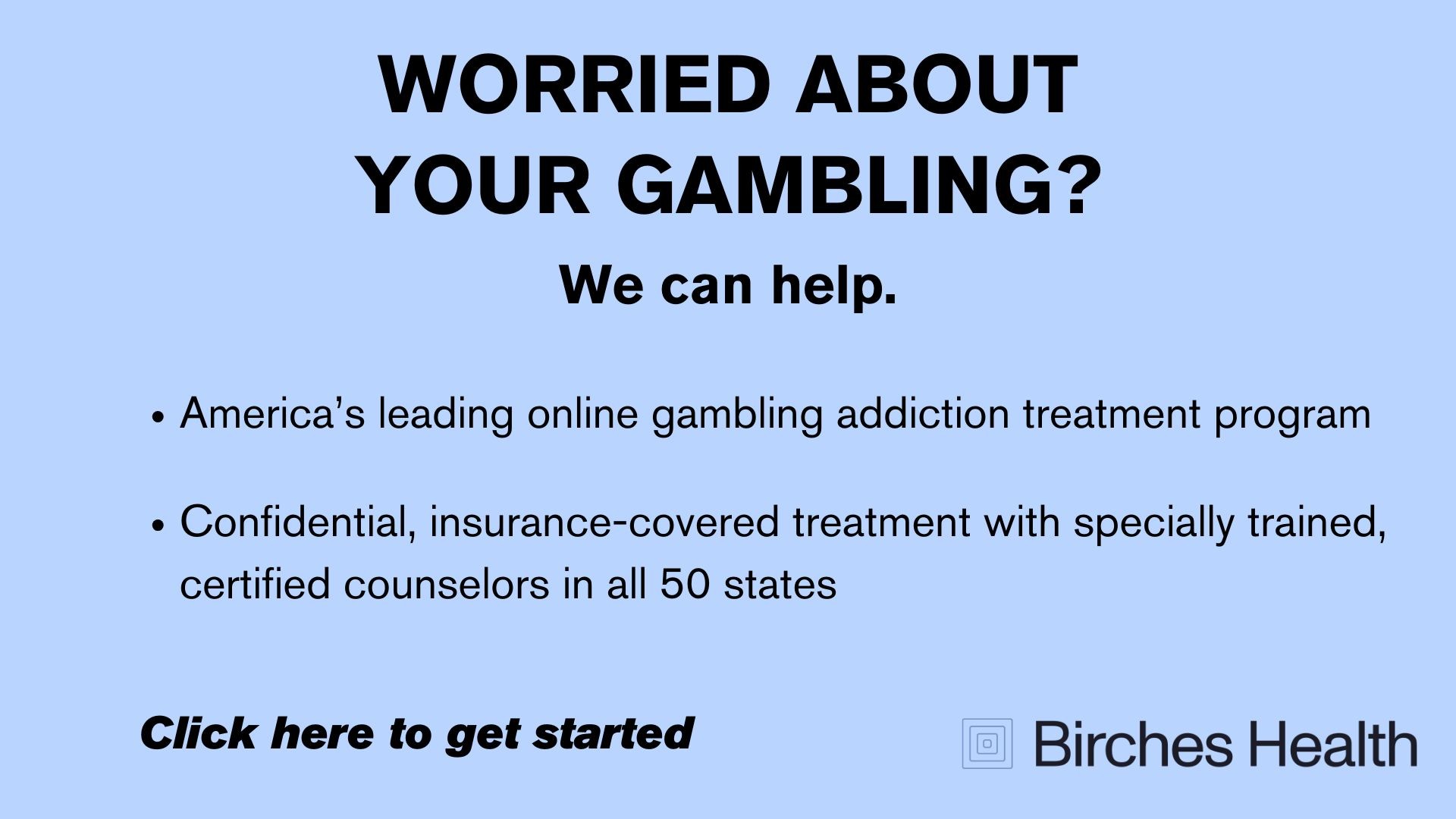
Birches Health offers teletherapy for gambling addiction and related behavioral disorders, including clinician-led online group therapy, now available nationwide. A main goal of Birches is to reduce and ultimately remove the three most common traditional obstacles to care:
1. Supply of Specialized Counselors
Birches has built a national network of licensed clinicians trained specifically in evidence-based gambling addiction treatment. Both individual therapy and clinician-led group therapy provide structured, professional support beyond peer-led meetings.
2. Cost
Birches partners with major insurance providers and select state programs to reduce or eliminate out-of-pocket costs. Many clients pay only a small copay, and some receive care at no cost, depending on coverage and eligibility.
3. Scheduling and Logistics
Birches’ programs are fully virtual, allowing clients to attend therapy from home without travel, childcare needs or time off work. This flexibility makes consistent treatment far more achievable.
—
In addition, Birches Health now offers clinician-led online group therapy. This form of group care offers a safe, structured environment where individuals can engage in healthy, respectful communication, fostering emotional honesty, trust and repair. Professional guidance, relapse prevention strategies and emotional regulation tools lead the way. When combined with individual therapy, this approach can support long-term recovery and accountability.
If you or someone you love is struggling with gambling, specialized treatment is available now:
Call 833-483-3838
Email help@bircheshealth.com
